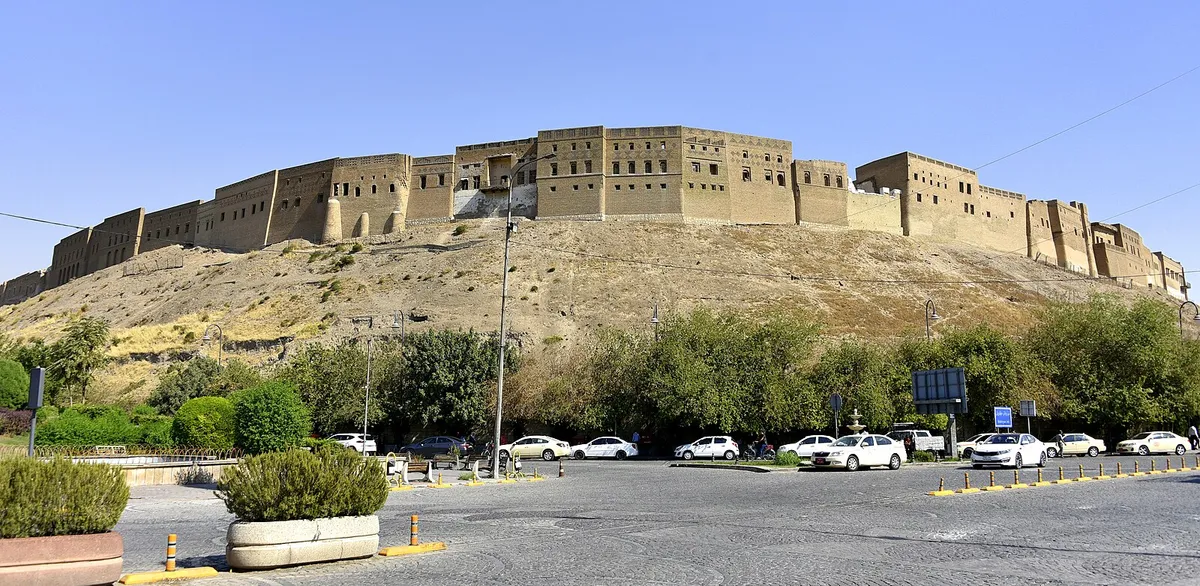
History Snapshot
Early and Modern Era
Kurdish communities have long been rooted in the highlands of the Middle East, with social life shaped by both rural mountain communities and urban centers connected through trade routes. Over time, Kurdish regions were governed by different empires and local dynasties, and local autonomy often depended on the balance of regional power.
After World War I, the 1920 Treaty of Sevres included provisions that envisioned Kurdish autonomy and a possible independent Kurdish state, but those provisions were later set aside. The 1923 Treaty of Lausanne recognized the modern borders of Turkey and dropped earlier autonomy provisions for Kurdish regions, leaving Kurdish populations divided across several states.
20th Century Milestones
In 1946, the Republic of Mahabad was briefly declared in northwestern Iran and is remembered as a significant moment of Kurdish political self-rule, even though it lasted less than a year. In Iraq, the late 20th century saw intense repression and violence against Kurdish civilians, most notably during the Anfal campaign of 1988.
In 1991, a no-fly zone in northern Iraq enabled de facto Kurdish self-rule, leading to the development of regional institutions and governance. The 2005 Iraqi constitution formally recognized the Kurdistan Region as an autonomous federal region, creating a defined administrative framework within Iraq.
Contemporary Context
Kurdish political, cultural, and civic life today varies by country and region. While the Kurdistan Region of Iraq has formal autonomous status, Kurdish communities in Turkey, Iran, and Syria navigate different political realities, often combining cultural preservation with civic and social organizing. Across all regions, language, music, literature, and shared memory remain central to Kurdish identity.
Why This Snapshot Matters
This overview is a starting point rather than a complete history. It highlights major turning points that shaped Kurdish cultural and political life and provides context for modern debates, literature, and community initiatives.